

What an AI-Integrated Business Looks Like (and How to Get There)
Forget the buzz about “future tech.” AI integration is already changing the way businesses work—turning ordinary mornings into efficiency sprints and afternoon crises into solved mysteries before lunch. If you’re still imagining AI as some shiny thing reserved for Silicon Valley, think again: real-world businesses are getting real results right now.
A Day in the Life: Zero Manual Data Entry
Reports generate themselves: Sales numbers, inventory levels, and trend charts appear in your dashboard before anyone gets their first coffee. No manual collecting, copying, or pasting required.
Customer service gets a boost: Smart chatbots answer common queries, route complex requests to the right team, and never miss a beat—freeing human staff for nuanced, relationship-building tasks.
Inventory syncs itself: Shopify, QuickBooks, and warehouse trackers automatically update with every sale, purchase, and shipment. Out-of-stocks are forecasted; supply chain hiccups get flagged before they snowball.
Proactive insights: AI monitors marketing campaigns and sales patterns in real time, nudging teams to double down on what’s hot and rethink what’s not. Recommendations for next steps pop up in minutes, not days.
The Power Behind the Curtain
Integrated AI isn’t just automation—it’s data flowing across platforms to create a single version of the truth. Marketing sees what sales sees. Finance knows promotions are working before month-end. The AI layer finds patterns and delivers actionable suggestions, catching risks and serving up opportunities faster than any human ever could.
Predictive analytics tell you which products will spike, which customers need attention, and which deals are about to close.
Document processing, payroll, and compliance run seamlessly: no more lost forms or late payments—just instant notifications and green checks across the board.
How to Get There (Right Now)
Building this kind of system doesn’t take a tech revolution—it just requires smart integrations linking your existing platforms. Start with one automation, prove the value (savings, speed, accuracy), then layer on AI-driven insights as the data gets cleaner and richer. Real businesses are scaling up in months, not years.
Big picture: This isn’t the next era—it’s today’s reality for smart businesses. AI-integrated operations mean less busywork, more visibility, and true decision agility. With the right connections between your apps and systems, you can run a business that’s both hands-off and eyes-wide-open.

How to Identify High-ROI AI Opportunities in Your Business
Don’t fall for the myth that AI only pays off after a huge overhaul. The best returns often come from automating one workflow at a time—ideally, the stuff everyone finds boring, repetitive, and error-prone.
Spot the Perfect Candidates
Start with a slow walk around your operations. Where do you see:
Manual data entry (invoicing, reporting, compliance checks)?
Consistent mistakes (double-billed clients, misrouted orders)?
Repetitive outreach (welcome emails, social posts, customer reminders)?
Endless sorting (lead prioritization, support ticket triage)?
If your team dreads it or fixes the same thing twice, you’ve found an AI sweet spot.
Real-World Success Stories
Invoice Processing: AI reads, matches, and enters invoice data, slashing payment cycles and minimizing entry errors. Payments happen on time, freeing staff for bigger priorities.
Lead Scoring: Sales teams use AI to identify high-potential leads, ditching dead ends. One bank boosted conversions 260% just by automating lead filtering.
Customer Support: AI-powered ticket routing means customers get faster replies, agents get less burned out, and satisfaction scores jump.
Marketing Segmentation: Automated customer grouping tailors emails and ads—no more “spray and pray.” One retailer’s conversions tripled after AI found a missing keyword in product listings.
Start Small—Win Big
You don’t need a moonshot: a single high-impact workflow can save hundreds of hours per year and pay for itself in months. Track time, errors, and results, then let those savings fund your next automation—growing ROI with every step.
Big picture: High-ROI AI opportunities are hiding in plain sight. Automate the high-frustration, low-reward work first, and you’ll watch your AI wins snowball into bigger profits and a happier team. One workflow at a time really can change your business.

AI You Can Actually Trust: How to Automate Without Losing Control
Let’s face it: even if you’re ready for AI, you probably worry it’ll make decisions you don’t see, run off with your data, or quietly automate a process to oblivion. But good AI isn’t a black box—it’s a smart, transparent sidekick you control. When set up responsibly, automation empowers people and protects businesses, not the other way around.
Privacy: Locking Down the Data
Modern AI keeps sensitive business info under wraps. Encryption and tight permissions mean only authorized folks see what matters, and nobody’s “just looking around.” Every action—what AI does, what data it uses—is logged and reviewable. Smart businesses communicate their data policies upfront and always comply with privacy laws, winning customer trust along the way.
Automated workflows use data only as needed, never passing info to unknown apps.
Human managers get notified before anything big changes, so nothing sneaks past or gets lost in some obscure algorithm.
Oversight: Humans in the Loop
Responsible automation requires honest-to-goodness oversight. That means people stay in the driving seat: reviewing, approving, and course-correcting when needed. Rather than set-and-forget, transparent workflows give teams visibility into every automated step. Logs and audits show how choices were made—and who made the final call.
Critical business logic can always be paused, double-checked, or rerouted by your team.
Accountability structures flag risky decisions for human review, so nothing is left to “auto-pilot”.
Transparency: Know What’s Happening
No hidden switches, no secret codes. Transparency means anyone (from the boss to compliance) can check what’s happening in real time—and get a plain-English explanation of why. When AI decisions are clear (not mysterious), employees trust the system more, learn from it, and spot issues long before they pile up.
People: The Heart of Every System
AI and automation don’t replace your staff—they make them better. By handling tedious, error-prone tasks, AI lets humans focus on creative work and big decisions. When everyone knows the “why” and the “how,” adoption goes up and stress goes down.
Big picture: AI you can trust is never hands-off. With privacy, oversight, and transparency built in, automation becomes the business boost owners actually want—empowering teams, not replacing them.
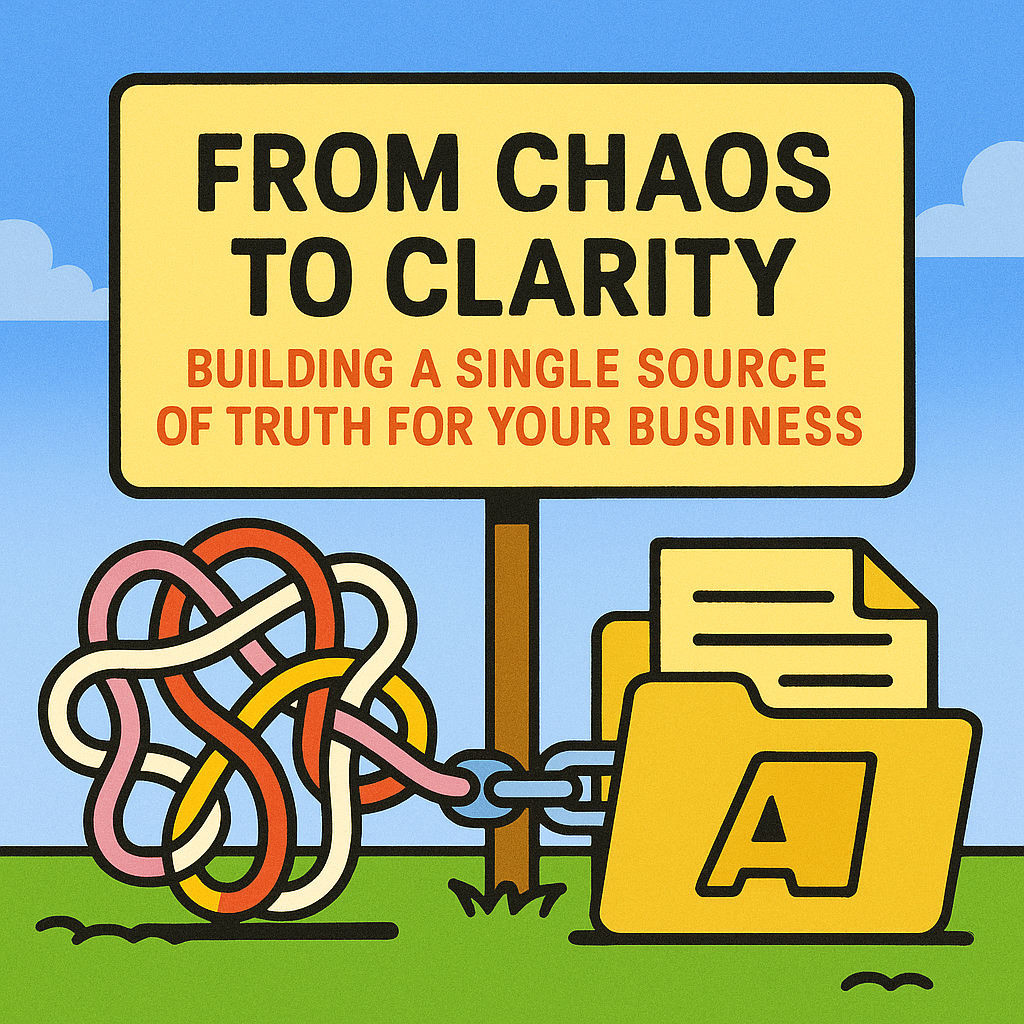
From Chaos to Clarity: Building a Single Source of Truth for Your Business
If juggling spreadsheets, CRMs, inventory apps, and accounting tools feels like herding cats, you’re not alone. Many businesses operate with HubSpot over here, Shopify over there, and Google Sheets wherever someone can click “New Sheet.” The result? Siloed information, slow reporting cycles, and a steady drip of costly guesswork.
The Mess of Fragmented Platforms
Trying to keep tabs on orders, supply, and customer activity with disconnected systems practically guarantees mistakes. Teams spend hours cross-checking, chasing down lost transactions, or just staring at outdated dashboards. Missed sales, slow response times, and a lot of “which version is right?” discussions follow.
Lost orders and missed updates can cost businesses hundreds of thousands of dollars each year.
Data errors and manual corrections waste time and resources, dragging teams away from real value-add work.
The Single Source Solution: Integration
Cue the one platform to rule them all. By integrating tools like QuickBooks, Shopify, HubSpot, and Google Sheets, every department sees a live data feed — sales, finance, and marketing all read from the same playbook. Dashboards and custom alerts update instantly, not at the end of the week. Decisions stop being shots in the dark and start being built on real numbers.
Centralizing platforms brings order to chaos. No more manual double-entry, hunting for invoices, or missing inventory.
Real-time data means managers spot issues, opportunities, and trends as they happen — not days later.
Collaboration skyrockets as every team works from a single set of facts, reducing stress and improving resource management.
Why It Matters: From Guessing to Knowing
Business owners can finally make confident calls — launch a new product, adjust pricing, or close a deal — without waiting for slow, error-prone reports. Customer service improves, operations run smoother, and compliance becomes far less of a headache.
Big picture: A centralized data system is the upgrade your business needs. Tidy integrations mean less firefighting, more clarity, and the kind of fact-first decision-making that outpaces the competition. When every metric is at your fingertips live, you’re not just running your business — you’re steering it with certainty.
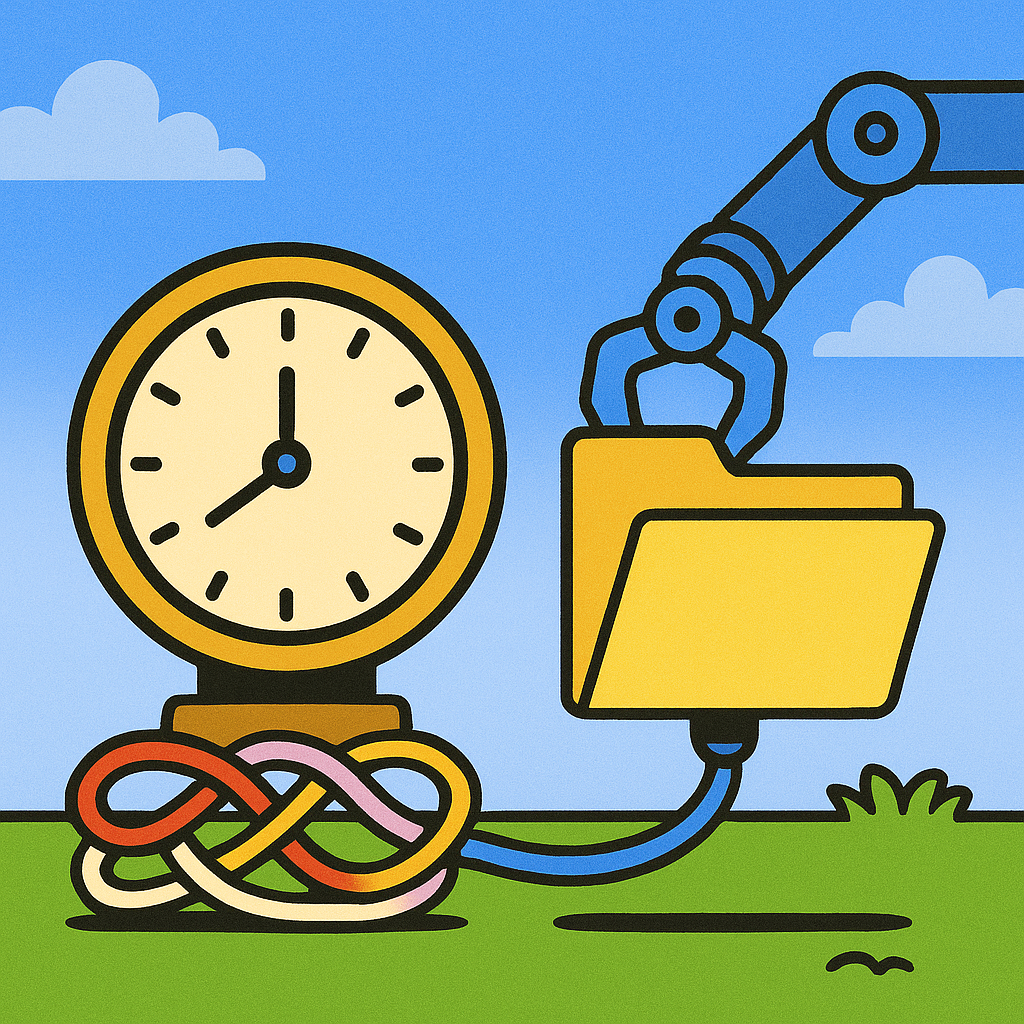
The Business Case for Data Automation: Turning Hours into Minutes
Imagine giving your business an extra day every week — no time machine required. That’s the magic of data automation, turning repetitive hours into minutes and letting your team focus on what actually moves the needle.
From Drudgery to Done: Real-World Wins
Think automated reports that land in your inbox before coffee, invoices processed the second deals close, and CRMs updated without anyone losing their lunch break. Some businesses see 10–20 hours freed up every week just by automating key workflows — that’s like adding another part-time employee, minus the extra payroll.
Automated reports: No more manual Excel marathons. Custom dashboards and scheduled sends mean everyone gets the numbers they need instantly.
Invoice processing: No “missing invoice” drama. Automation matches, sends, and logs payments in real time, slashing turnaround from days to hours.
CRM updates: New leads and touchpoints sync automatically, so sales stays sharp and no contact slips through the cracks.
Customer outreach: Personalized messages hit inboxes and DMs while your team handles actual conversations, not copy-paste campaigns.
The ROI Is Real (and Fast)
Here’s where the numbers shine: most businesses recoup their automation investment within months — not years. Case studies show ROI of 150%–300% in the first year, thanks to fewer manual errors, faster cycles, and smarter decisions.
Time savings: Automating a task that took 5 hours weekly saves 260 hours a year. Multiply by your team’s hourly rate, and you’re looking at a real dent in overhead.
Cost reduction: With fewer mistakes and less grunt work, companies cut labor and error-related costs — that’s money reinvested back into growth.
Faster scaling: Handle more customers, orders, or leads without adding headcount — automation does the heavy lifting.
It’s Not Just Efficiency — It’s Edge
The businesses that thrive automate early and often. They’re not replacing people — they're giving people more time to think, build, and sell. That’s the true ROI: a smarter, faster, and more responsive business that pays for new tech with the hours (and headaches) it saves in month one.
Big picture: Data automation isn’t a nice-to-have. It’s the cheat code for competitive advantage, turning wasted hours into fresh profits, and letting your team trade busywork for real impact.

Disorganized Business Data Is Costing You Money — Here’s Why
Your business data is kind of like a messy closet: if you don’t know what’s in there, you’re probably losing time, money, and maybe your favorite jacket. The hard truth? Most companies are quietly hemorrhaging dollars thanks to information that’s lost in spreadsheets, stubborn CRMs, and accounting tools that never seem to play nice together.
The Silo Problem
Let’s say you’ve got sales leads living in one folder, invoices in another, and marketing analytics stuffed somewhere else. When data is scattered, people spend more time hunting than solving. Did that big client actually pay on time, or are their transactions buried somewhere in last quarter’s accounting files? Was that warm lead followed up on, or did it slip through the cracks because the CRM wasn’t talking to your email system? Every minute spent searching deepens the profit leak.
What’s At Stake?
Lost deals. Data mistakes. Reporting headaches. The easy-to-miss debits of disconnected data can add up quick:
Sales reps fumble the follow-up, so leads die quietly.
Marketing misfires because it’s working off last month’s numbers.
Finance struggles to forecast because the data isn’t lining up.
Team meetings become detective games — everyone is guessing instead of knowing.
When one hand doesn’t know what the other is doing, little errors morph into big headaches. And when those headaches hit payroll, tax filings, or big clients, the cost can move from “annoying” to “ouch.”
Why Data Hygiene Matters
Clean, connected data isn’t just about saving time. It’s the bedrock for reliable automation and AI — meaning all those shiny next-gen tools you keep hearing about? They need clean numbers to deliver real magic. Otherwise, you’re feeding your fancy robot the digital equivalent of microwaved leftovers. And just like leftovers, your AI’s performance gets sketchy pretty fast.
Automation won’t catch a missed invoice if the data lives outside its reach.
Predictive algorithms can’t offer insights with holes in their spreadsheet map.
Those “game-changing” dashboards become glorified mirrors of your mess.
The Fix: Invest in Data Health
Getting organized doesn’t mean upgrading every system at once. It means:
Connecting major tools so information actually flows.
Setting ground rules for new data — think naming conventions and duplicate checks.
Auditing regularly: Clean up the clutter before it snowballs.
Because in the end, smooth data isn’t just for show — it powers the automations, forecasts, and decisions that help you find your jacket, close more deals, and stop cash from slipping through the cracks.
Big picture: Slick data management may not sound glamorous, but it’s the secret sauce behind every successful business transformation. The sooner your numbers start talking, the less your business spends on fixing what never should’ve gone wrong.

The 5 Steps to Make Your Business AI-Ready
It all begins with an idea.
Everyone says AI is the future — but jumping in without a plan is like buying a treadmill and expecting six-pack abs. Here’s your shortcut: a five-step playbook for getting your team (and your data) ready for all things intelligent, automated, and algorithmic.
Step 1: Audit Your Data
Start by getting honest about what you have. Every spreadsheet, CRM, and app counts. Inventory your data, check for duplicates, outdated info, and random gaps. This is less about judging and more about seeing what’s usable, what’s junk, and what could be gold with some polish.
Step 2: Centralize, Don’t Scatter
If your company’s info is living its best life in ten separate places, bring it home. Apps and platforms should talk to each other, not hoard secrets. Move toward one source of truth that everyone — sales, marketing, finance — can actually find and trust.
Step 3: Clean Until It Gleams
AI has taste: it prefers its data fresh and spotless. That means fixing typos, deleting old contacts, and standardizing those job titles that somehow ended up in seventeen formats. Dirty data leads to wonky predictions and awkward moments with clients. You want clean lines, not “franken-datasets”.
Step 4: Automate the Easy Stuff
With data neat and centralized, you’re ready for some time-saving magic. Automate things like reporting, follow-up emails, and routine customer queries. Not only does automation save headaches; it preps your business for the next leap forward.
Step 5: Layer on AI
Now (and only now) you’re ready for the main event. Give smart algorithms access to your refined data. Suddenly, you get forecasts worth sharing, marketing that actually hits the mark, and customer service that feels personalized instead of robotic. It’s where strategy meets superpowers and every decision gets sharper.
Big picture: Doing these five steps isn’t busywork; it’s the groundwork the pros swear by — and it’s exactly where your firm comes in to guide, clean, and connect for the biggest payoff. Don’t rush it. A little prep now turns today’s AI buzz into tomorrow